

AP Chemistry
mô hình lực đẩy giữa các cặp electron hóa trịvalence-shell electron-pair repulsion model
valence-shell electron-pair repulsion modelVietnamese: mô hình lực đẩy giữa các cặp electron hóa trị
Còn gọi:Also called: VSEPR
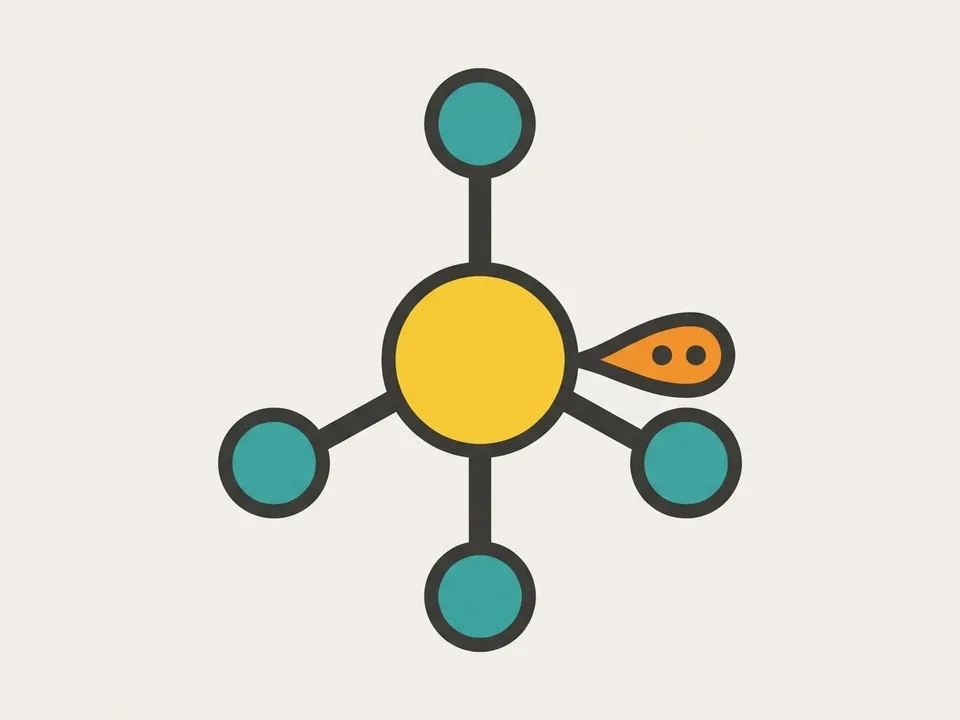
Mô hình lực đẩy giữa các cặp electron hóa trị là mô hình dự đoán hình dạng phân tử do các cặp electron quanh nguyên tử trung tâm đẩy nhau xa nhất.The valence-shell electron-pair repulsion model predicts molecular shape by assuming that the electron pairs around a central atom spread out as far apart as possible.
Trực giác: Giống mấy quả bóng bay buộc chung một nút thắt — chúng tự xòe ra đều nhau vì không quả nào chịu chen chỗ quả nào.Intuition: Think of balloons tied together at a single knot — they fan out evenly because none of them will give up its space.
Công thức chínhKey formula
Định nghĩa đầy đủFull definition1 phút đọc1 min read
Mô hình lực đẩy giữa các cặp electron hóa trị dự đoán hình học quanh nguyên tử trung tâm: các miền electron sắp xếp xa nhau nhất. Liên kết đơn, đôi hoặc ba đều tính là một miền; trong ký hiệu , tổng cho số miền.
Hình học miền electron xét cả liên kết và cặp electron tự do, còn hình dạng phân tử chỉ xét vị trí nguyên tử. Cặp tự do chiếm nhiều không gian và đẩy mạnh hơn cặp liên kết, nên có thể làm góc liên kết nhỏ hơn góc lý tưởng.
The valence-shell electron-pair repulsion model predicts the geometry around a central atom: electron domains arrange themselves to be as far apart as possible. A single, double, or triple bond each counts as one domain, so in the notation the sum gives the number of domains.
Electron-domain geometry counts both bonds and lone pairs, while molecular shape describes only where the atoms sit. Because a lone pair takes up more space and repels more strongly than a bonding pair, it can squeeze bond angles below the ideal values.
- •
- •góc liên kết ký hiệu
- •
- •bond angle denoted
Giải nghĩa công thứcFormula breakdown1 công thức1 formula
Dùng để cộng số miền liên kết và cặp electron tự do quanh nguyên tử trung tâm, rồi suy ra hình học cặp electron.Add the bonding domains and the lone pairs on the central atom to get the total number of domains, which fixes the electron-pair geometry.
Trong đóWhere
Hay hiểu saiCommon misconceptions3 ý · 1 phút đọc3 points · 1 min read
Hình học miền electron không phải hình dạng phân tử.
Với bốn miền, hình học miền là tứ diện; là chóp tam giác và là gấp khúc vì hình dạng chỉ xét vị trí nguyên tử.
Liên kết đôi hoặc ba chỉ tính là một miền electron.
Các electron liên kết bội nằm trong cùng vùng giữa hai hạt nhân; vì vậy có hai miền, dạng thẳng và góc .
Ở và , góc liên kết nhỏ hơn góc tứ diện lý tưởng.
Cặp tự do chiếm nhiều không gian và đẩy cặp liên kết mạnh hơn; các góc lần lượt khoảng và , thay vì .
Electron-domain geometry is not the same as molecular shape.
With four domains the domain geometry is tetrahedral, yet is trigonal pyramidal and is bent, because shape counts only atom positions.
A double or triple bond counts as just one electron domain.
All the electrons of a multiple bond occupy the same region between the two nuclei, so has two domains, a linear shape, and a angle.
In and , the bond angles are smaller than the ideal tetrahedral angle.
Lone pairs occupy more space and push bonding pairs more strongly, giving angles of about and instead of .
Mẹo phòng thiExam tips2 mẹo2 tips
Vẽ cấu trúc Lewis trước khi gọi tên hình dạng.
Sau đó ghi số miền và số cặp electron tự do trên nguyên tử trung tâm để tránh đếm sai.
Khi giải thích góc liên kết, đừng chỉ nêu số đo.
Hãy so sánh lực đẩy giữa cặp tự do–cặp liên kết với lực đẩy giữa hai cặp liên kết.
Draw the Lewis structure before naming any shape.
Then write down the number of domains and the number of lone pairs on the central atom so you don't miscount.
When explaining a bond angle, don't just quote the number.
Compare lone pair–bonding pair repulsion with the weaker repulsion between two bonding pairs.
Khái niệm này sinh ra từ đâuWhere the concept comes from1 phút đọc1 min read
1957Ronald GillespieRonald Sydney NyholmNevil SidgwickHerbert Marcus PowellRyutaro Tsuchida
Vì sao mang đúng cái tên này? Cái tên dài dòng thật ra là một câu mô tả cơ chế viết gọn lại. "Valence shell" là lớp electron hóa trị — vùng ngoài cùng nơi các electron tham gia liên kết cư trú; "electron pair" là cặp electron, gồm cả cặp liên kết lẫn cặp electron chưa liên kết (lone pair); còn "repulsion" chính là lực đẩy tĩnh điện khiến các cặp ấy tự đẩy nhau ra xa nhất có thể. Ghép lại, tên gọi nói thẳng luận điểm trung tâm: hình dạng phân tử là hệ quả của việc các cặp electron hóa trị đẩy nhau. Trong đề thi và tài liệu, mô hình hầu như luôn xuất hiện dưới dạng viết tắt VSEPR, đọc là "VES-per", nên nhiều người quên mất bốn chữ gốc. Ngoài ra, mô hình còn mang hai tên khác đặt theo người đóng góp: thuyết Gillespie–Nyholm theo hai tác giả chính năm 1957, và thuyết Sidgwick–Powell theo công trình sớm hơn năm 1940.
Thử nghiệm tương tácInteractive explorer
%22%2F%3E%3Cg%20opacity%3D%220.16%22%20stroke%3D%22%237dd3fc%22%20stroke-width%3D%220.7%22%3E%3Cline%20x1%3D%2216%22%20x2%3D%22624%22%20y1%3D%22318%22%20y2%3D%22318%22%2F%3E%3Cline%20x1%3D%2216%22%20x2%3D%22624%22%20y1%3D%22315.4%22%20y2%3D%22315.4%22%2F%3E%3Cline%20x1%3D%2216%22%20x2%3D%22624%22%20y1%3D%22307.6%22%20y2%3D%22307.6%22%2F%3E%3Cline%20x1%3D%2216%22%20x2%3D%22624%22%20y1%3D%22294.6%22%20y2%3D%22294.6%22%2F%3E%3Cline%20x1%3D%2216%22%20x2%3D%22624%22%20y1%3D%22276.4%22%20y2%3D%22276.4%22%2F%3E%3Cline%20x1%3D%2216%22%20x2%3D%22624%22%20y1%3D%22253%22%20y2%3D%22253%22%2F%3E%3Cline%20x1%3D%2216%22%20x2%3D%22624%22%20y1%3D%22224.39999999999998%22%20y2%3D%22224.39999999999998%22%2F%3E%3Cline%20x1%3D%2216%22%20x2%3D%22216.6%22%20y1%3D%22318%22%20y2%3D%22224.39999999999998%22%2F%3E%3Cline%20x1%3D%2276.8%22%20x2%3D%22237.3%22%20y1%3D%22318%22%20y2%3D%22224.39999999999998%22%2F%3E%3Cline%20x1%3D%22137.6%22%20x2%3D%22258.0%22%20y1%3D%22318%22%20y2%3D%22224.39999999999998%22%2F%3E%3Cline%20x1%3D%22198.4%22%20x2%3D%22278.7%22%20y1%3D%22318%22%20y2%3D%22224.39999999999998%22%2F%3E%3Cline%20x1%3D%22259.2%22%20x2%3D%22299.3%22%20y1%3D%22318%22%20y2%3D%22224.39999999999998%22%2F%3E%3Cline%20x1%3D%22320%22%20x2%3D%22320.0%22%20y1%3D%22318%22%20y2%3D%22224.39999999999998%22%2F%3E%3Cline%20x1%3D%22380.8%22%20x2%3D%22340.7%22%20y1%3D%22318%22%20y2%3D%22224.39999999999998%22%2F%3E%3Cline%20x1%3D%22441.6%22%20x2%3D%22361.3%22%20y1%3D%22318%22%20y2%3D%22224.39999999999998%22%2F%3E%3Cline%20x1%3D%22502.4%22%20x2%3D%22382.0%22%20y1%3D%22318%22%20y2%3D%22224.39999999999998%22%2F%3E%3Cline%20x1%3D%22563.2%22%20x2%3D%22402.7%22%20y1%3D%22318%22%20y2%3D%22224.39999999999998%22%2F%3E%3Cline%20x1%3D%22624%22%20x2%3D%22423.4%22%20y1%3D%22318%22%20y2%3D%22224.39999999999998%22%2F%3E%3C%2Fg%3E%3Ccircle%20cx%3D%22310.0%22%20cy%3D%22102.8%22%20r%3D%227.1%22%20fill%3D%22var(--info%2C%232563eb)%22%2F%3E%3Ccircle%20cx%3D%22330.1%22%20cy%3D%22102.9%22%20r%3D%227.1%22%20fill%3D%22var(--info%2C%232563eb)%22%2F%3E%3Ccircle%20cx%3D%22424.2%22%20cy%3D%22188.1%22%20r%3D%2226.9%22%20fill%3D%22%23f1f5f9%22%20stroke%3D%22rgba(255%2C255%2C255%2C0.35)%22%20stroke-width%3D%220.9%22%2F%3E%3Ccircle%20cx%3D%22207.9%22%20cy%3D%22193.5%22%20r%3D%2226.5%22%20fill%3D%22%23f1f5f9%22%20stroke%3D%22rgba(255%2C255%2C255%2C0.35)%22%20stroke-width%3D%220.9%22%2F%3E%3Cline%20x1%3D%22424.2%22%20y1%3D%22188.1%22%20x2%3D%22372.1%22%20y2%3D%22176.6%22%20stroke%3D%22%23f1f5f9%22%20stroke-width%3D%2212.3%22%20stroke-linecap%3D%22round%22%20opacity%3D%220.92%22%2F%3E%3Cline%20x1%3D%22207.9%22%20y1%3D%22193.5%22%20x2%3D%22263.9%22%20y2%3D%22179.2%22%20stroke%3D%22%23f1f5f9%22%20stroke-width%3D%2212.2%22%20stroke-linecap%3D%22round%22%20opacity%3D%220.92%22%2F%3E%3Cline%20x1%3D%22320.0%22%20y1%3D%22165.0%22%20x2%3D%22372.1%22%20y2%3D%22176.6%22%20stroke%3D%22%233b82f6%22%20stroke-width%3D%2211.4%22%20stroke-linecap%3D%22round%22%20opacity%3D%220.92%22%2F%3E%3Cline%20x1%3D%22320.0%22%20y1%3D%22165.0%22%20x2%3D%22263.9%22%20y2%3D%22179.2%22%20stroke%3D%22%233b82f6%22%20stroke-width%3D%2211.4%22%20stroke-linecap%3D%22round%22%20opacity%3D%220.92%22%2F%3E%3Ccircle%20cx%3D%22320.0%22%20cy%3D%22165.0%22%20r%3D%2237.4%22%20fill%3D%22%233b82f6%22%20stroke%3D%22rgba(255%2C255%2C255%2C0.35)%22%20stroke-width%3D%220.9%22%2F%3E%3Cline%20x1%3D%22320.0%22%20y1%3D%22165.0%22%20x2%3D%22324.0%22%20y2%3D%22203.5%22%20stroke%3D%22%233b82f6%22%20stroke-width%3D%2211.4%22%20stroke-linecap%3D%22round%22%20opacity%3D%220.92%22%2F%3E%3Cline%20x1%3D%22328.1%22%20y1%3D%22242.0%22%20x2%3D%22324.0%22%20y2%3D%22203.5%22%20stroke%3D%22%23f1f5f9%22%20stroke-width%3D%2210.5%22%20stroke-linecap%3D%22round%22%20opacity%3D%220.92%22%2F%3E%3Ccircle%20cx%3D%22328.1%22%20cy%3D%22242.0%22%20r%3D%2222.9%22%20fill%3D%22%23f1f5f9%22%20stroke%3D%22rgba(255%2C255%2C255%2C0.35)%22%20stroke-width%3D%220.9%22%2F%3E%3Ctext%20x%3D%22320.0%22%20y%3D%22169.0%22%20text-anchor%3D%22middle%22%20font-size%3D%2222.8%22%20font-weight%3D%22700%22%20fill%3D%22%23fff%22%3EN%3C%2Ftext%3E%3Ctext%20x%3D%22424.2%22%20y%3D%22192.1%22%20text-anchor%3D%22middle%22%20font-size%3D%2224.7%22%20font-weight%3D%22700%22%20fill%3D%22%230f172a%22%3EH%3C%2Ftext%3E%3Ctext%20x%3D%22328.1%22%20y%3D%22246.0%22%20text-anchor%3D%22middle%22%20font-size%3D%2221.0%22%20font-weight%3D%22700%22%20fill%3D%22%230f172a%22%3EH%3C%2Ftext%3E%3Ctext%20x%3D%22207.9%22%20y%3D%22197.5%22%20text-anchor%3D%22middle%22%20font-size%3D%2224.3%22%20font-weight%3D%22700%22%20fill%3D%22%230f172a%22%3EH%3C%2Ftext%3E%3Ctext%20x%3D%22320%22%20y%3D%22320%22%20text-anchor%3D%22middle%22%20font-size%3D%2212%22%20fill%3D%22rgba(226%2C232%2C240%2C0.85)%22%3Ech%C3%B3p%20tam%20gi%C3%A1c%20(khung%20mi%E1%BB%81n%20electron%3A%20t%E1%BB%A9%20di%E1%BB%87n)%20%C2%B7%20107%C2%B0%3C%2Ftext%3E%3C%2Fsvg%3E)
Xoay phân tử NH₃ — tìm cặp electron chưa liên kết đang ép góc liên kết lại
Kéo tham số, thấy khái niệm chuyển động — đăng nhập để mở.Drag the parameters and watch the concept move — sign in to open.
Bạn nắm chắc chưa?Check your understanding
Quiz câu thật từ ngân hàng đềReal exam questions from our question bank
Vài câu thật gắn đúng khái niệm này, chấm ngay kèm giải thích từng đáp án — hệ thống ghi nhớ bạn nắm tới đâu.A few real questions on exactly this concept, graded instantly with an explanation for every choice — the system remembers how well you know it.
Học tiếp từ đâyKeep learning
Hay nhầm vớiOften confused with
Cùng chủ đềSame topic
- liên kết pipi bond
- liên kết sigmasigma bond
- nguyên tử trung tâmcentral atom
- trạng thái bão hòasaturated
- đồng phânisomers
- electron hóa trịvalence electrons
- liên kết cộng hóa trịcovalent bond
- liên kết đôidouble bond
- liên kết hydrogenhydrogen bonding
- orbitalorbital
- orbital phân tửmolecular orbital
- phân tửmolecule
Biên soạn bởi DucklingStudy, bản quyền thuộc DucklingStudy.Written by DucklingStudy. © DucklingStudy. Xuất bảnPublished .